Deciding between a mobile app and a website is one of the most critical digital investments you will make for your Ugandan business. Making the wrong choice can lock up your operating capital in software your customers rarely use, while the right choice accelerates customer acquisition, streamlines payments, and builds lasting brand loyalty across Kampala and beyond.
Understanding the Core Differences
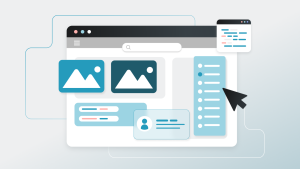
Before you commit funds to development, you need to understand how these two platforms function within the local technological landscape. A website is a collection of public web pages accessible via internet browsers like Chrome or Opera Mini, making it universally reachable by anyone with an active data connection. It acts as your primary digital storefront, open to search engines and easy to share through social media links or WhatsApp messages.
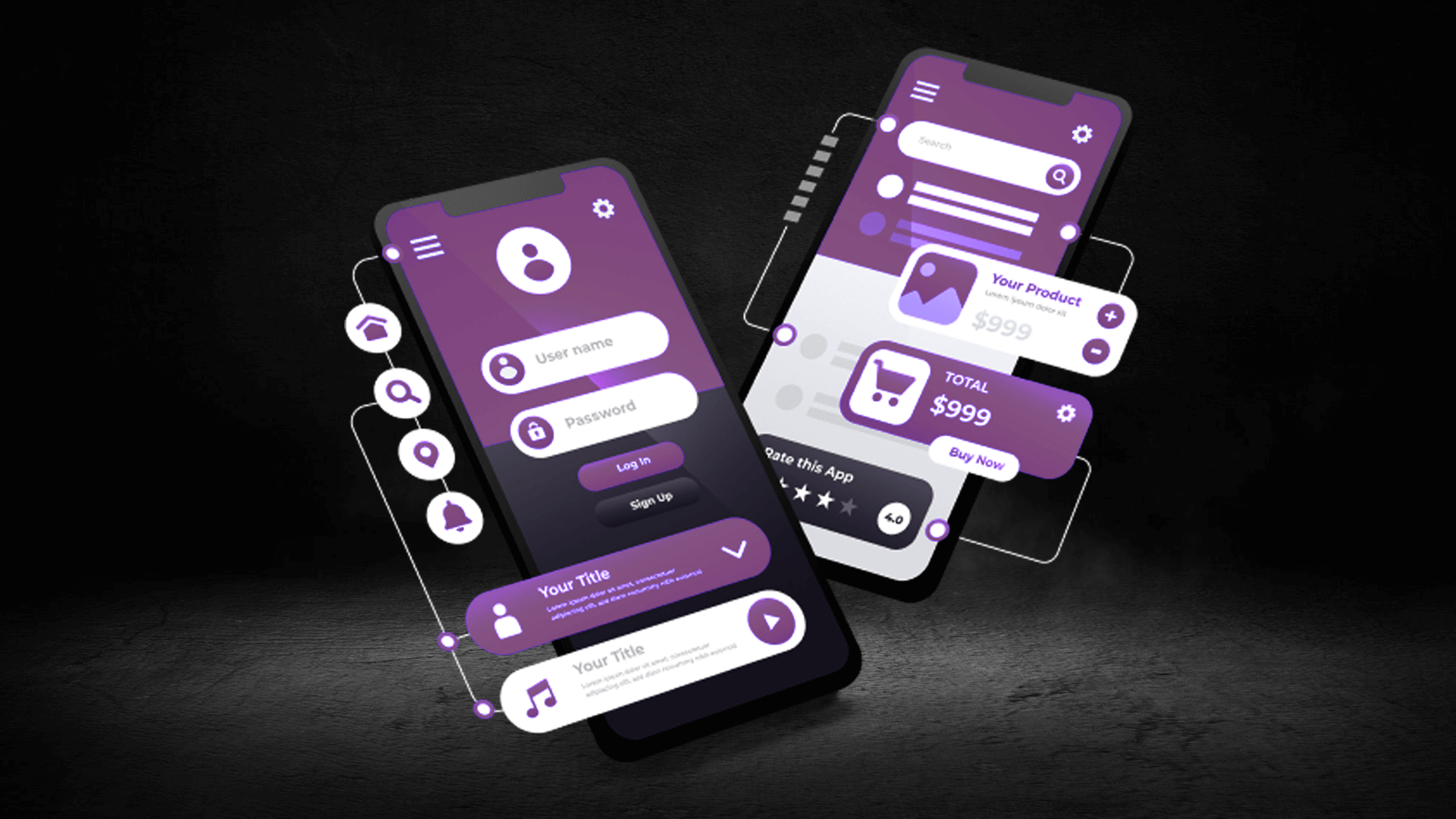
A mobile app, by contrast, is a dedicated software program downloaded from the Google Play Store or Apple App Store and installed directly onto a user’s smartphone. Apps live on the device home screen, allowing you to leverage native hardware features such as push notifications, offline functionality, and device cameras. However, building an app requires convincing customers to spare precious phone storage and complete a download process.
Evaluating Your Business Model and Objectives
Your choice must be driven entirely by your specific operational needs and how your customers prefer to interact with your services. If your primary goal is to establish brand credibility, publish company information, and attract new clients through search engines, a website is the clear winner. Service providers, consultants, restaurants, and retail shops looking to showcase inventory benefit immensely from a fast, optimized web presence.
On the other hand, if your business relies on complex user accounts, persistent personalization, real-time tracking, or high-frequency engagement, an app becomes worth the investment. Think about ride-hailing services, fintech platforms, or delivery networks operating in Uganda. These services demand constant connectivity, instant alert capabilities, and deep integration with mobile money APIs that function smoothly within an application environment.
Choose a Website When
You need broad visibility, lower initial costs, easy content updates, and quick customer discovery via Google searches.
Choose an App When
You require offline access, push notifications, advanced user accounts, and heavy daily interaction loops.
Cost, Maintenance, and Technical Realities in Uganda
Financial constraints play a massive role in digital strategy. Developing a professional website is generally more affordable and faster to launch. You pay for domain registration, hosting, design, and content management setup. Maintenance is straightforward, requiring regular security updates and occasional text or image refreshes.
Mobile apps demand a significantly higher financial commitment. Because you must build separate versions for Android and iOS devices, upfront development costs rise sharply. Furthermore, apps require continuous maintenance, bug fixes for new operating system updates, and ongoing marketing efforts to convince users to download and keep them. If your budget is tight, launching an app prematurely can exhaust your resources before you generate sustainable revenue.
A Step-by-Step Decision Framework
To finalize your strategy, run through a simple evaluation process that examines your current business maturity, target audience habits, and financial capacity.
- Audit your current digital footprint: If you lack a fast, secure website that clearly explains your offerings and integrates with local payment gateways like MTN and Airtel mobile money, stop here and build that first.
- Analyze customer behavior: Review how your existing clients communicate with you. Do they send WhatsApp inquiries and browse on mobile phones, or are they constantly asking for a dedicated portal to manage ongoing subscriptions?
- Calculate total cost of ownership: Estimate your software budget for the next 24 months, factoring in hosting, updates, and digital marketing, ensuring you do not run out of funds midway through development.
- Test demand with a minimum viable product: Build a responsive web app or mobile-optimized site first to validate your service concept before spending capital on native app stores.
Common Pitfalls to Avoid
Business owners frequently fall into traps when embarking on digital projects. One major mistake is ignoring local internet speed and data bundle costs. If your website is heavy with uncompressed images and bloated scripts, visitors will abandon it before it loads. Another error is neglecting local payment integration; ensure your platform handles mobile money transfers smoothly rather than relying solely on international credit cards that your local customer base rarely uses.
Finally, do not underestimate the challenge of user acquisition. Launching an app does not automatically bring downloads. You must invest heavily in marketing campaigns across social media channels and local networks to drive awareness and adoption.
Ready to Build Your Digital Presence?
Get expert guidance on selecting and developing the right platform for your Ugandan enterprise.
Contact Web Systems UG