
Small businesses in Uganda often view their websites as simple digital business cards, yet this mindset frequently leads to design choices that alienate potential customers. A website that is slow, cluttered, or difficult to navigate does more than just frustrate visitors; it actively damages your brand credibility and turns away the very clients you are trying to attract. By addressing common technical and design oversights, you can transform your online presence into a powerful tool for growth and customer acquisition.
1. Ignoring Mobile-First Design Principles
In Uganda, the vast majority of web traffic originates from mobile devices. If your website is designed primarily for desktop users and merely “shrunk” for smaller screens, you are likely losing a significant portion of your audience. When images do not scale correctly, text becomes unreadable, or navigation menus disappear off-screen, visitors will quickly exit your page.
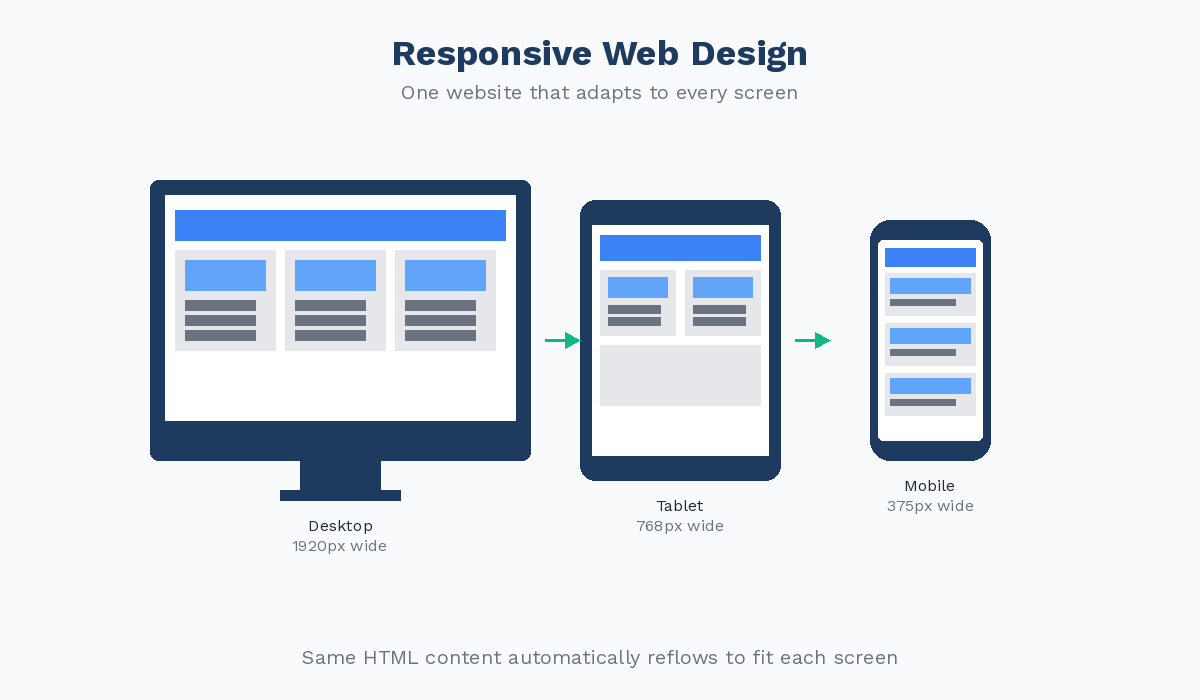 Ensure your design flows seamlessly across mobile devices to capture the majority of Ugandan traffic.
You must prioritize responsive web design that adapts fluidly to various screen sizes. Test your site on common local smartphone models to ensure buttons are large enough to tap and text is legible without zooming. A mobile-first approach does not just satisfy users; it is also a primary factor in how search engines rank your site, directly impacting your visibility.
2. Neglecting Page Loading Speeds
Internet connectivity speeds across Uganda can fluctuate, and a heavy, unoptimized website will struggle to load under these conditions. Large, high-resolution images that are not properly compressed and bloated code will cause your site to lag. Every additional second a customer spends waiting for your page to render significantly increases the likelihood that they will bounce to a competitor.
 Optimizing your images and code ensures your site remains accessible even on slower network connections.
To fix this, compress all images before uploading them, utilize efficient hosting services, and minimize the use of unnecessary scripts. Your goal should be a fast-loading page that provides value to the user within the first 3 seconds of them landing on your site.
3. Lack of Clear Calls to Action
A beautiful website is useless if the visitor does not know what to do next. Many Ugandan small business sites feature generic “About Us” or “Home” pages but fail to guide the user toward a specific outcome, such as calling for a quote, booking a service, or visiting your physical store. If you do not explicitly ask your customers to take an action, they often will not.
 Clear call-to-action buttons help guide potential clients toward making a purchase or enquiry.
Place prominent buttons that stand out from the rest of your design. Whether it is a “Contact Us” or “Buy Now” button, make sure the text is action-oriented and placed strategically near the top and bottom of your pages. Every page on your site should serve a purpose that aligns with your business goals.
4. Poor Security and Trust Signals
Trust is the foundation of any business relationship. If your website displays “Not Secure” warnings in the browser address bar, potential customers will be hesitant to share their contact information or make payments. Neglecting to install an SSL certificate is a common mistake that signals a lack of professionalism and puts your site visitors at risk.

5. Missing Local Search Optimization
Many business owners focus on global SEO but overlook the importance of local search. If you are operating in Kampala or any other city in Uganda, your website should clearly communicate your location, service areas, and business hours. Without this local context, you are missing out on customers specifically searching for services in their immediate vicinity.
Include your full business address, a Google Maps embed, and local keywords throughout your content. Mentioning your neighborhood or district helps search engines understand where your business operates, making it much easier for nearby customers to find you when they perform a search.
Summary of Best Practices
Addressing these five areas will dramatically improve your digital footprint. By focusing on mobile responsiveness, speed, clear calls to action, security, and local SEO, you move your business beyond a basic online presence and toward a functional, high-converting digital hub. These improvements do not require a complete site overhaul; they are strategic adjustments that compound over time, helping your business remain competitive in a digital-first marketplace.
Ready to Upgrade Your Website?
Start by auditing your site for these five common mistakes to improve your performance today.